
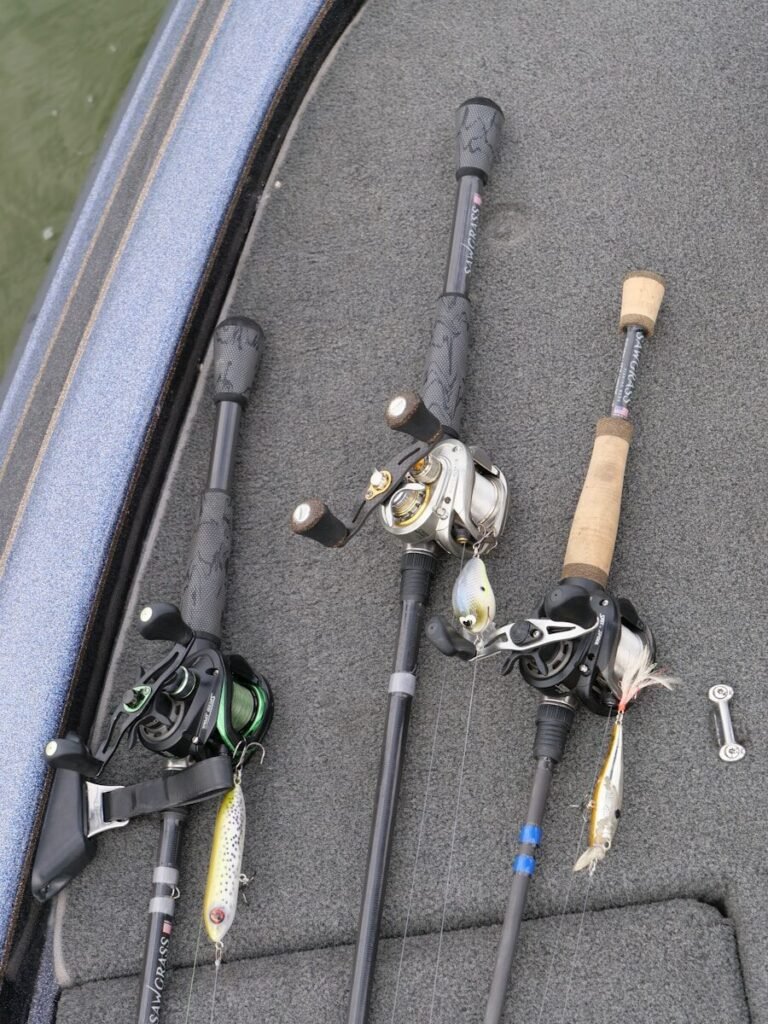
Introduction to Spring Fishing
As winter melts away, the arrival of spring heralds the long-awaited fishing season for enthusiasts around the world. This period is marked by a unique excitement that engages both novice and veteran anglers alike. As the temperatures rise, fish become more active and begin to emerge from their winter dormancy, making spring an ideal time for fishing trips.
Spring fishing offers a distinct advantage as fish are often found in shallow waters, making them easier to catch. Many species, such as bass, trout, and crappie, are particularly abundant during this time. Along with the variety of fish available, anglers can also enjoy the beauty of nature in bloom, with vibrant landscapes adding to the outdoor experience. The combination of active fish and alluring surroundings makes spring a memorable season for fishing lovers.
Being prepared for the fishing season is crucial to ensure a successful outing. Selecting the right gear can greatly influence your fishing experience. Proper equipment tailored to the specific fish species and local water conditions can increase the likelihood of a fruitful catch. Whether it is choosing the best rod and reel or evaluating the necessary bait and tackle, preparation plays a vital role in spring fishing success.
In addition to tempting prospects on the horizon, spring fishing symbolizes renewal and a fresh start. As many anglers pack away their wintry gear, they eagerly anticipate days filled with sunlit waters and the thrill of a tug on the line. This revitalizing season is not just about the catch; it is also about embracing the joy of being outdoors, sharing moments with friends and family, and creating lasting memories.
Understanding the Right Rods for Spring Fishing
As spring beckons the return of fishing season, selecting the appropriate fishing rod becomes paramount for an enjoyable and successful experience. Various fishing rods cater to the specific needs encountered during this vibrant season, stemming from a diverse array of fish species eager to feed after winter dormancy. Understanding the unique characteristics of fishing rods suitable for spring fishing can significantly enhance one’s angling performance.
The length of the fishing rod plays a critical role in its usability. Rods typically range from 6 to 7.5 feet, with shorter rods offering enhanced maneuverability for casting in confined spaces, while longer rods provide increased distance and leverage when battling significant catches. Anglers should consider the type of fishing they plan to engage in; for example, longer rods are ideal for open water, while shorter rods excel in rivers or streams.
Material is another vital consideration when selecting a fishing rod. Rods constructed from graphite provide increased sensitivity, allowing anglers to detect even the slightest bites. Conversely, fiberglass rods are known for their durability and ability to withstand harsh conditions, making them suitable for novice anglers. Each material offers distinct advantages; thus, the choice depends on personal preference and fishing style.
Finally, the action of the fishing rod—how it flexes when pressure is applied—determines its responsiveness. Fast action rods bend primarily at the tip, enabling quicker hook sets and suitable for techniques like jerkbait fishing. In contrast, moderate action rods offer more flexibility throughout the midsection, making them excellent for various techniques, including live bait fishing. Understanding these aspects will greatly aid in selecting a dependable rod for spring fishing.
For those looking to explore a wide range of fishing rods tailored for the spring season, a selection can be found by following this link.
Choosing the Perfect Fishing Line
When it comes to preparing for the fishing season, selecting the right fishing line is pivotal to your success on the water. The choice of fishing line can significantly impact your ability to catch fish, especially during spring when conditions can vary greatly. There are three primary types of fishing lines to consider: monofilament, fluorocarbon, and braided lines. Understanding the characteristics of each can help in making an informed decision.
Monofilament line is the most common type of fishing line used by anglers. It is versatile, easy to handle, and provides good casting distance. The stretch of monofilament allows for shock absorption, which can be beneficial for catching fish. However, its visibility in the water can sometimes be a disadvantage during clearer spring conditions. Ideal for beginners, monofilament line excels in a variety of situations.
Next, fluorocarbon line is nearly invisible underwater, making it an excellent choice for pressured fish, especially in clear waters typical of the spring season. It is more sensitive and has less stretch than monofilament, providing improved hook-setting power. The downside is that fluorocarbon can be more expensive and may require more care to prevent abrasion when fishing around rough structures.
Finally, braided lines offer exceptional strength and durability, making them suitable for heavy cover fishing. These lines have little to no stretch, allowing for direct communication with the lure. However, their visibility can be an issue in clear water, and they generally require special knots to secure properly. Braided lines are perfect for targeting larger species that require more power when reeling in.
In selecting the perfect fishing line for your spring adventures, consider the water conditions and the species you are targeting. Each type has its advantages and drawbacks, and understanding these can greatly improve your fishing experience. For more detailed information, please check this link to further guide your choice.
Fishing Tackle Essentials for the Season
As spring approaches, avid anglers should begin preparing their fishing tackle to ensure a successful season. A well-equipped tackle box is essential for adapting to changing conditions in springtime waters, where various types of fish become more active and accessible. Understanding the necessary fishing tackle components—such as hooks, weights, lures, and tackle boxes—can enhance your overall fishing experience this season.
Starting with hooks, having a variety of sizes and styles is crucial. Circle hooks, for instance, are particularly effective for catch and release practices, while treble hooks work well for lures. Selecting hooks that match the size of the target fish species enhances the chances of a successful catch. In spring, fish tend to feed aggressively, so consider equipping your tackle box with hooks that are durable and reliable.
Weights are another essential component of your fishing gear. The right weight allows your lure to sink to the desired depth, accommodating the feeding patterns of any fish present. As the water warms in spring, various weights (such as split shots or egg sinkers) can help ensure your bait reaches both shallow and deeper waters where fish congregate. This flexibility is particularly beneficial as species become more active during the transition into the warmer months.
Lures are also an integral part of your fishing tackle. Spring is an excellent time for using crankbaits, spinnerbaits, and soft plastics. These lures mimic the natural prey fish seek during this season and can attract a wide range of species. Pay attention to the colors and patterns used, as spring waters may better respond to vibrant hues that stand out against the clearer backdrop.
Finally, the importance of a sturdy and organized tackle box cannot be overstated. A well-structured tackle box allows for easy access to hooks, weights, and lures, ensuring you spend more time fishing and less time searching for gear. Organize your tackle based on the types of fishing you plan to do, and make sure it is mobile enough to accompany you on various fishing excursions.
Local Regulations and Best Practices
As spring approaches and anglers prepare for the fishing season, it becomes crucial to understand the local fishing regulations. Each region may have different rules governing fishing practices to ensure sustainable use of aquatic resources. Fishing licenses often serve as the first step in adhering to these regulations; a valid license is typically required before casting a line.
It is important for fishermen to be aware of seasonal restrictions that impact certain species, such as closed seasons designed to protect spawning populations. These regulations may dictate not only when and where one can fish but also involve size and bag limits for different species. Familiarizing oneself with these local rules is not just a legal obligation but part of responsible fishing etiquette.
Equally important is the adherence to best practices for fishing, which include catch and release techniques, using barbless hooks, and minimizing the stress on fish while handling them. Such practices contribute significantly to the conservation of local ecosystems and ensure that future generations can enjoy fishing. Educating oneself on the environmental impact of fishing activities is essential.
Anglers can easily check local regulations by visiting state wildlife websites or conservation organizations, where up-to-date information on licenses, restrictions, and recommended practices can be found. This proactive approach is vital to sustaining fish populations and maintaining the health of aquatic ecosystems. Such diligence reflects a commitment not only to personal enjoyment of the sport but also to preserving the natural habitat for wildlife.
Getting Ready: Preparing Your Gear
As the spring fishing season approaches, it is essential for anglers to adequately prepare their gear to ensure optimal performance on the water. A well-maintained fishing setup not only improves your chances of success but also enhances the enjoyment of the experience. The following checklist serves as a guide for anglers to ensure their equipment is in peak condition before heading out.
1. Clean Your Rods and Reels: Start by giving your fishing rods and reels a thorough cleaning. Remove any dirt, salt residues, and debris that may have accumulated during the previous seasons. Use a mild soap and water solution, followed by a dry cloth to prevent any rust or corrosion.
2. Inspect Line Integrity: Check the fishing line for any signs of wear, fraying, or knots. A compromised line can lead to lost catches. Replace old or damaged line and ensure it is properly spooled on the reel, avoiding twists and tangles.
3. Organize Your Tackle Box: Take the time to organize your tackle box for increased efficiency. Sort lures, hooks, and other tackle items by type or size, ensuring you know where everything is located. Discard old, rusted items, and restock on essentials that may be running low.
4. Check for Essential Gear: Make sure you have all necessary gear, such as pliers, scissors, and bait containers. Having the right tools on hand can make a significant difference in your fishing experience.
For additional tips on gear maintenance, consider checking online resources that provide in-depth guidance and advice tailored to different fishing gear types. With these preparations, anglers can approach the fishing season with confidence, ensuring a more successful and enjoyable outing on the water.
Best Fishing Spots in Spring
As winter yields to the warmth of spring, fishermen across the country prepare to take advantage of the numerous opportunities that this season offers. Spring is an ideal time for fishing, as various species are more active following the cold winter months. This revitalization of aquatic life makes it essential to identify some of the best fishing spots that come alive during this period.
In freshwater environments, lakes and rivers emerge as prime locations. As water temperatures begin to rise, fish such as bass, crappie, and trout are drawn closer to the surface, making them accessible to anglers. Lakes with shallow, warm waters tend to attract larger numbers of fish, especially near structures like fallen trees and submerged rocks. Furthermore, the spawning season for these species significantly increases their activity, ultimately providing a rewarding fishing experience.
Conversely, saltwater fishing presents equally enticing options as many coastal areas see a return of migratory species during spring. Estuaries and inshore waters become bustling hotspots as fish such as redfish, tarpon, and snook return from deeper waters to feed and breed. These areas often experience increased baitfish activity, which in turn attracts predatory species. Finding the right tidal phase can further enhance the success of saltwater fishing during this season.
It is vital for anglers to understand that fish behavior alters with seasonal changes, making knowledge of local fishing patterns essential. For those interested in exploring specific locations or acquiring more detailed information, a variety of online resources can provide valuable insights into regional fishing hotspots. By familiarizing oneself with the best fishing spots during spring, fishermen can optimize their catches and make the most out of this vibrant season.
Tips for Spring Fishing Success
As the weather warms and the ice melts away, spring emerges as an optimal time for fishing enthusiasts to cast their lines. To maximize your success on spring fishing trips, several strategies can be employed that cater to seasonal behavior of fish and their feeding patterns.
Firstly, understanding the local fish species’ spawning cycles is crucial. In spring, many species, such as bass and trout, move into shallow waters to breed. Therefore, targeting these shallower areas, especially around submerged structures or vegetation, can yield fruitful results. Aim to fish in the early morning or late afternoon, as fish are more active during these times, taking advantage of increased temperatures and food availability.
When it comes to bait selection, live bait such as minnows or worms can be particularly effective in spring. These baits closely mimic the natural food sources available to fish as they begin to feed more aggressively. For those who prefer artificial lures, consider using jigs or crankbaits that mimic injured fish; these can provoke aggressive strikes.
In addition to bait, adjusting your fishing techniques is vital during the spring season. Techniques like slow retrieval can be more effective as fish become accustomed to warmer waters, whereas faster retrieves may be beneficial during periods of higher activity. Furthermore, incorporating varying depths in your fishing strategy can help locate fish; consider starting near the surface and gradually working your way down.
For additional guidance on spring fishing strategies, including specific bait recommendations and comprehensive fishing methods, refer to our detailed fishing strategies guide. By implementing these tips and staying attuned to the changing waters, your spring fishing experience can be both enjoyable and successful.
Conclusion: Embrace the Fishing Season
The arrival of spring heralds an exciting time for anglers as the fishing season approaches. This season presents a perfect opportunity to reconnect with nature and unwind from the rigors of everyday life. As the days become warmer and the water warms up, fish become more active, making it a prime time for fishing enthusiasts to put their skills to the test.
Preparing for this season is not solely about gathering the right equipment; it’s about fostering a connection with the great outdoors. Whether you are a seasoned angler or just beginning your fishing journey, now is the time to gear up, explore new fishing locations, and engage with fellow fishing enthusiasts. There is something profoundly rewarding about the anticipation of casting your line into the water, waiting for that first bite, and savoring the joy of catching fish.
As you prepare for the fishing season, consider sharing your enthusiasm and experiences with the community. Engaging in local fishing events or participating in online forums can enhance your knowledge and enrich your fishing adventures. Encourage friends and family to join you on fishing trips; these shared experiences can create cherished memories that last a lifetime.
In essence, embrace the excitement that comes with the spring fishing season. It is not merely about the catch but also the tranquility of the natural world and the camaraderie among anglers. So gear up, get outside, and make the most of this wonderful time of year. Your next fishing adventure awaits, filled with promise and the thrill of the great catch to come.