
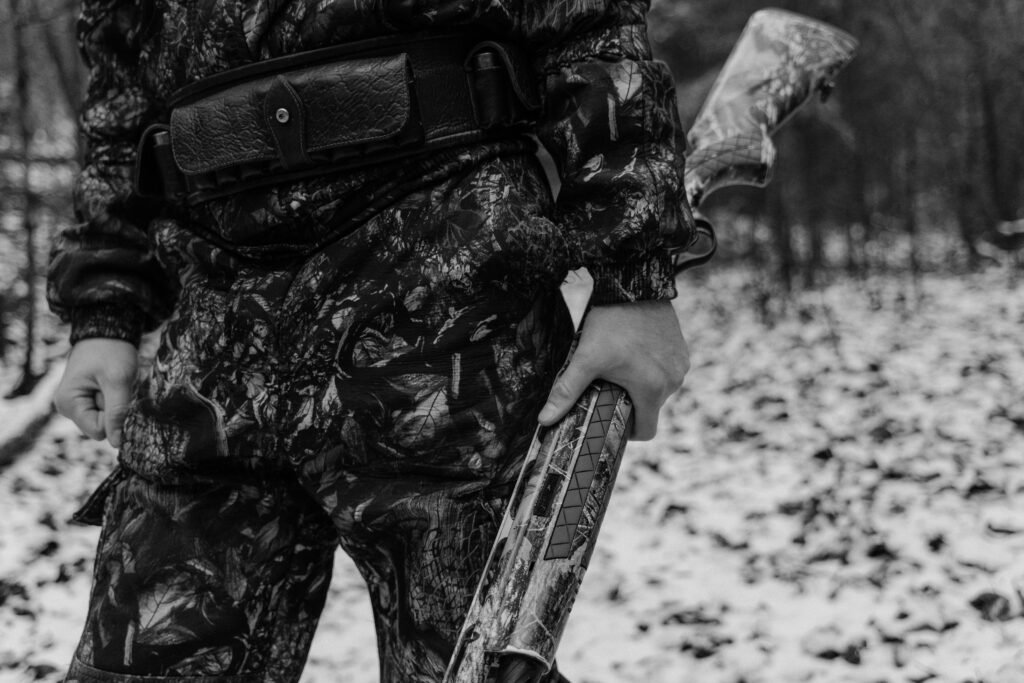
Introduction to Hunt Preparation
Hunt preparation is a multifaceted process that is essential for achieving success in the field. It extends beyond merely gathering equipment; it encompasses a comprehensive strategy aimed at ensuring a productive and safe hunting experience. Thorough planning significantly increases the probability of encountering wildlife and makes the experience more enjoyable and rewarding.
The first critical aspect of hunt preparation involves meticulous planning. Hunters should take the time to research the hunting area, its regulations, and the type of game they plan to pursue. Understanding the specific traits and behaviors of the target species can greatly enhance one’s chances of a successful hunt. Moreover, hunters should establish a clear set of objectives – whether for sport, sustenance, or conservation – which provides a focused approach during the hunt.
Gear readiness is another fundamental consideration within the realm of hunt preparation. Before embarking on any excursion, a thorough inventory of necessary equipment is vital. This includes ensuring that firearms or bows are in proper working order, that ammunition is adequate, and that essential supplies are at hand, such as food, water, and safety gear. Adequately prepared gear not only enhances functionality but also promotes confidence while in the field.
Understanding weather conditions plays a significant role in successful hunting outcomes as well. Hunters should monitor forecasts and be prepared for variable weather scenarios. Adapting to changing conditions can influence an animal’s behavior, impacting the overall success of the hunt. Finally, cultivating a strong mental mindset is crucial. Remaining focused, patient, and adaptable to changing circumstances ultimately underpins a hunter’s effectiveness and enjoyment. Each of these elements combined forms the bedrock of effective hunt preparation, steering the individual toward a successful and fulfilling hunting experience.
The Importance of Planning Your Hunt
Planning your hunting trip is a fundamental step that can significantly influence the overall success and enjoyment of the experience. Setting clear goals before embarking on your journey helps in selecting the right location, understanding the specific game behavior, and determining the optimal time of year to hunt. Each of these elements plays a pivotal role in shaping your preparation and ensuring a fruitful outing.
Choosing the hunting location involves thorough research and consideration of various factors, such as terrain, accessibility, and the presence of the desired game species. By investigating the preferred habitats of game animals, you enhance your chances of encountering them during your trip. Moreover, understanding game behavior is crucial; different species exhibit distinct habits during certain seasons. Gaining insight into these patterns will not only increase your odds of a successful hunt but also enrich your overall experience.
Timing is another vital aspect of hunt preparation. Certain periods of the year, such as mating seasons or migration periods, can greatly impact your success in locating game. By identifying the best times to hunt specific species, you can align your planning with these natural events, ultimately leading to a more productive expedition.
Creating a detailed itinerary further ensures that all aspects of the hunt are organized. This includes scheduling travel times, determining necessary supplies, and outlining safety measures. A well-structured plan provides peace of mind and helps in anticipating potential challenges. In conclusion, the importance of thorough planning for your hunt cannot be overstated; it is an integral step that lays the groundwork for a successful and enjoyable experience.
Gear Readiness: What You Need to Bring
Preparing for a successful hunt requires meticulous planning, and the selection of appropriate gear is a crucial aspect of this preparation. The first step is weapon selection. Depending on the type of game being pursued, hunters should choose their weapon – be it a rifle, shotgun, or bow – that suits both their skill level and the hunting regulations of the area. Ensuring that the weapon is well-maintained and tested prior to the outing is essential; hunters should check the condition of their rifles or bows, clean them thoroughly, and practice to maintain proficiency.
Clothing should not be overlooked, as it plays a pivotal role in hunter comfort and effectiveness. While the specific attire may vary based on climate and terrain, foundational pieces include moisture-wicking base layers, insulation layers for warmth, and waterproof outer garments. Additionally, camouflage clothing can offer strategic advantages, helping hunters blend into their surroundings. Proper footwear, such as insulated, waterproof boots, is also vital for comfort and mobility.
Equipping oneself with the necessary tools and safety gear is equally important. A well-stocked hunting backpack should include a first aid kit, a multi-tool, and a flashlight. Depending on the length and type of the hunt, items like binoculars, a rangefinder, and a compass or GPS device are recommended for navigation and tracking purposes. Furthermore, a safety harness is imperative for tree stand hunters to ensure their safety during the hunt.
Ultimately, before heading into the field, conduct a thorough inspection of all gear. Performing this check ensures that everything is in optimal condition and ready for use. By adhering to this checklist of essential items and maintaining gear properly, hunters will enhance their chances for a successful and safe hunting experience.
Understanding and Preparing for Weather Conditions
Weather plays a critical role in the success of a hunting trip. Different weather conditions can significantly influence both animal behavior and the performance of hunters. For instance, high temperatures may cause animals to seek shelter during the day, while cooler weather typically prompts increased activity levels as they forage for food. Rain can also mask sounds, requiring hunters to adjust their strategies and be more vigilant in spotting movements amid dense vegetation.
Accurate weather forecasting is key to planning a successful hunt. By checking weather updates in advance, hunters can determine the likelihood of rain, snow, or high winds and adjust their schedules accordingly. Environmental factors such as temperature and precipitation can also dictate which hunting techniques will be most effective. For example, windy conditions may help mask a hunter’s movements but can complicate shot accuracy, making it vital to choose an appropriate location and shooting strategy based on prevailing weather conditions.
Preparation involves equipping oneself with the right gear to combat the impact of weather. Appropriate apparel is essential for maximizing comfort and maintaining focus throughout the hunt. Hunters should consider moisture-wicking base layers, breathable insulated outer layers, and waterproof outer garments to ensure protection from the elements. Footwear is equally important; waterproof boots that provide insulation are crucial for navigating wet or cold terrains. Additionally, carrying an emergency kit with essential supplies can prove invaluable in adverse conditions.
In summary, understanding the impact of varying weather conditions on both wildlife behavior and hunter effectiveness is essential for a successful hunting experience. By utilizing accurate weather forecasts and being prepared with appropriate gear, hunters can significantly enhance their chances of success while ensuring a safer and more enjoyable hunt.
Physical Preparation for Hunting
Hunting is not merely a recreational activity; it demands a heightened level of physical fitness and endurance. The physical demands vary significantly depending on the type of hunting pursued. For example, big game hunting may involve trekking over uneven terrain, while bird hunting might require rapid movements and longer periods of standing. Therefore, understanding the fitness levels required for different hunting activities is essential for effective preparation.
To successfully prepare your body for a hunt, it is beneficial to engage in a structured fitness regimen. Focus on activities that enhance both cardiovascular endurance and strength. Aerobic exercises such as running, cycling, or swimming can significantly improve your stamina, enabling you to endure long hours in the field. Aim for at least 30 minutes of cardiovascular workout several times a week, gradually increasing intensity and duration as the hunting date approaches.
Strength training is equally important. Engaging in resistance training exercises that target the major muscle groups will help you build the necessary strength to carry gear and potentially lift game. Exercises such as squats, lunges, and deadlifts are particularly effective in developing the lower body strength that is critical for traversing rough landscapes. Additionally, incorporating core workouts like planks or stability exercises will enhance your balance and stability, which are essential for maintaining control in the field.
Furthermore, practice with your hunting gear is an integral part of the physical preparation process. Familiarizing yourself with the weight and functionality of your equipment—whether it’s a bow, rifle, or pack—will help you adjust to the demands during a hunt. Regular practice not only helps you gain confidence with your gear but also allows your body to adapt to its weight, reducing the potential for injury on the day of the hunt. Ensure you take the time to train systematically, integrating both fitness and skill practice into your routine.
Mental Preparation: The Mindset of a Successful Hunter
Mental preparation is a crucial aspect of successful hunting that often goes overlooked. The psychological side of hunting can greatly influence a hunter’s resilience, confidence, and overall performance in the field. Achieving a strong mental state before embarking on a hunt can significantly enhance both the experience and the outcomes.
One of the fundamental techniques to cultivate is visualization. This involves mentally rehearsing the hunting scenario, which aids in creating a vivid picture of success. By imagining the process—such as spotting game, making the shot, and celebrating the catch—hunters can boost their confidence. This mental rehearsal not only prepares them for the physical aspects but also for possible challenges they may encounter.
Moreover, stress management is vital in maintaining composure during the hunt. High-pressure situations can lead to hasty decisions and diminish performance. Therefore, employing relaxation techniques such as deep breathing or progressive muscle relaxation can help keep stress in check. Being aware of one’s emotions and learning to regulate anxiety will enhance focus and clarity.
Mindfulness practices also play a critical role in mental preparation. Engaging in mindfulness allows hunters to stay present in the moment, paying attention to their surroundings and eliminating distractions. This heightened awareness can lead to more decisive actions and better reactions to changing circumstances in the field.
Ultimately, the mindset of a successful hunter is shaped by a blend of resilience, visualization, stress management, and mindfulness. Cultivating these mental skills can transform one’s hunting experience, leading to more rewarding adventures in the wild. From the thrill of anticipation to the satisfaction of a successful harvest, mental preparation lays the foundation for achievement and enjoyment in hunting.
Safety Considerations for Hunters
Hunting is an exhilarating activity that provides a unique opportunity to connect with nature, yet it comes with inherent risks. Therefore, the first principle of successful hunt preparation should include a thorough assessment of safety measures. One essential aspect is firearm safety. All hunters must ensure they are adequately trained in the use of their firearms and adhere strictly to the principles of firearm handling: treating every gun as if it is loaded, keeping the muzzle pointed in a safe direction, and being certain of their target and what lies beyond it.
Additionally, it is critical for a hunter to carry a well-stocked first-aid kit tailored to the type of hunting they are undertaking. This kit should include items such as bandages, antiseptics, pain relievers, and, if necessary, a tourniquet, which could prove invaluable in case of an emergency. First-aid training is strongly advised, as knowing how to respond promptly to injuries can be life-saving.
Safety gear also plays an indispensable role in ensuring hunters’ protection. Wearing high-visibility clothing can help hunters stand out in the natural landscape, reducing the risk of accidental shootings. Moreover, appropriate footwear and weather-resistant clothing can protect hunters against the elements, fostering a safer and more comfortable experience.
Moreover, understanding and adhering to hunting regulations is vital. These rules are designed to keep both hunters and wildlife safe. Familiarizing oneself with the specific laws regarding hunting seasons, permitted areas, and species, as well as necessary permits, should be a priority for all participants.
Finally, maintaining awareness of the surroundings and effective communication with hunting partners is crucial. Establishing clear signals and staying within eyesight of group members can prevent accidents. Utilizing maps and GPS devices can assist in navigating the terrain safely. By prioritizing these safety measures, hunters can ensure a responsible and enjoyable hunting experience.
Review and Adjust: Reflecting on Past Hunts
Reflecting on previous hunting experiences is crucial for any hunter aiming to enhance their future success. Each hunt provides valuable lessons, whether they result in triumphs or unexpected outcomes. By conducting a thorough analysis of past hunts, individuals can better inform their planning and preparation efforts for upcoming expeditions.
Start this reflective practice by setting aside time after each hunt to review various aspects of the experience. Consider factors such as the chosen location, weather conditions, and the effectiveness of equipment. Analyze the techniques used and whether they aligned with the behavior of the target species. Documenting these insights in a hunting log can serve as a reference point for future hunts, allowing you to identify patterns and gain clarity on what strategies worked best.
Additionally, it is beneficial to assess the goals set before the hunting trip. Were the objectives realistic? Did you adapt your approach as conditions changed? Understanding the disconnect between planned strategies and actual outcomes can help in making necessary adjustments for future hunts. For example, if a particular approach proved ineffective, consider experimenting with alternative methods or diversifying the types of gear utilized.
Furthermore, learning from mistakes is a vital aspect of growth in hunting. Whether it involves missing shots or misjudged animal tracks, reflection on these moments encourages a proactive mindset. Seeking feedback from experienced hunters or participating in community discussions can also offer fresh perspectives and insights, enhancing your skills as a hunter.
In conclusion, the process of reevaluating previous hunts is indispensable for ongoing improvement. By systematically analyzing both successes and failures, hunters can adapt their strategies and ultimately increase their chances of success in future endeavors. Embracing this self-assessment practice contributes positively to the overall preparation and planning for hunting trips, fostering a culture of learning and adaptation that benefits all aspects of the sport.
Conclusion: The Path to Successful Hunting
As we conclude this guide on hunt preparation, it is essential to reflect on the critical components that contribute to a successful hunting experience. Comprehensive preparation is not just beneficial; it is imperative. From selecting the right gear and understanding hunting laws to scouting locations and practicing shooting skills, every element plays a vital role in achieving a fulfilling hunt.
The importance of physical fitness cannot be understated. A strong physical condition not only enhances endurance but also improves performance in challenging terrains. Moreover, mental preparedness equips hunters with the focus and confidence necessary to make sound decisions under pressure. With these aspects in mind, aspiring hunters should invest time in training and planning, ensuring they consider all facets of hunt preparation.
Furthermore, understanding wildlife behavior and implementing sustainable hunting practices support both personal success and conservation efforts. A well-planned hunting strategy that respects ethical guidelines fosters a healthy relationship with nature, ultimately benefiting future generations of hunters. As you prepare for your next venture into the wild, remember that the groundwork you lay now will significantly impact your experience in the field.
In light of these points, we encourage readers to embark on their hunt preparation journey with diligence and enthusiasm. The path to success in hunting is paved with preparation, knowledge, and respect for the land. By taking proactive steps, hunters can approach their next expedition not only equipped with practical skills but also with a mindset ready to embrace the challenges and rewards that await.